When it comes to recovery, most athletes think about nutrition, hydration, or stretching. But one of the most powerful tools for recovery is often overlooked: sleep. Quality sleep help recovery in ways no supplement or gadget can match, making it essential for both casual exercisers and competitive athletes.
How Sleep Helps Recovery on a Physical Level
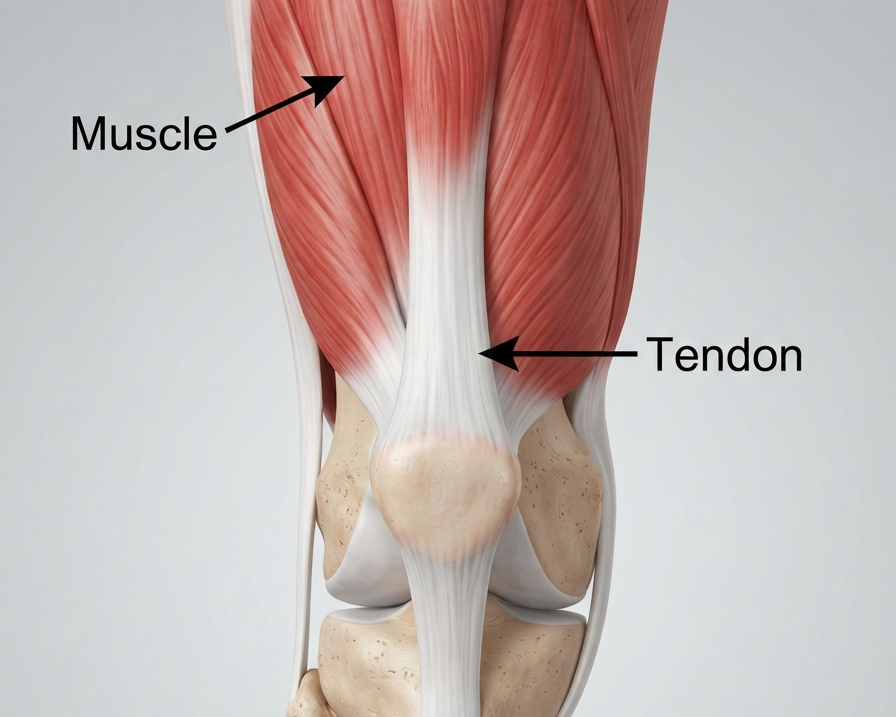
During deep sleep, your body releases growth hormone, which stimulates muscle repair and tissue growth. This is when the real rebuilding happens after a tough workout. Sleep also restores glycogen, your body’s main energy source, so you have the fuel needed for your next training session. Without enough sleep, recovery slows down, leaving you more fatigued and less ready to perform.
Sleep and Performance: The Connection
Research shows that athletes who sleep well perform better in endurance, speed, and accuracy tasks. Sleep deprivation, on the other hand, reduces reaction time and decision-making, both of which are crucial in sports. Even a single night of poor sleep can affect coordination and stamina, while consistent lack of rest increases the likelihood of burnout.
Sleep and Injury Risk
Poor sleep is not just about feeling tired. Studies suggest that inadequate rest is linked to a higher risk of injuries. Fatigue alters movement patterns, reduces focus, and makes muscles slower to respond. Over time, this raises the chance of strains, sprains, and overuse injuries that keep you sidelined.
Simple Tips to Improve Sleep Quality
Improving sleep does not require complicated routines. A consistent sleep schedule, a cool and dark bedroom, and limiting screens before bed all make a difference. Athletes who prioritize sleep alongside training and nutrition often see better recovery, stronger performance, and fewer setbacks.
The Bottom Line
Sleep is not just downtime. It is the ultimate recovery tool that fuels performance, prevents injuries, and helps your body bounce back stronger. If you take your training seriously, start treating sleep like part of your workout plan.
References:
https://pmc.ncbi.nlm.nih.gov/articles/PMC9960533