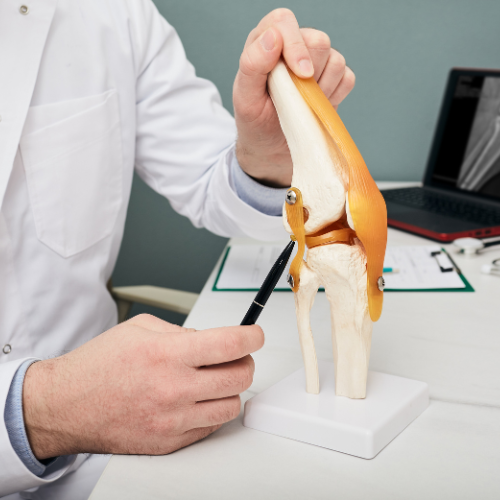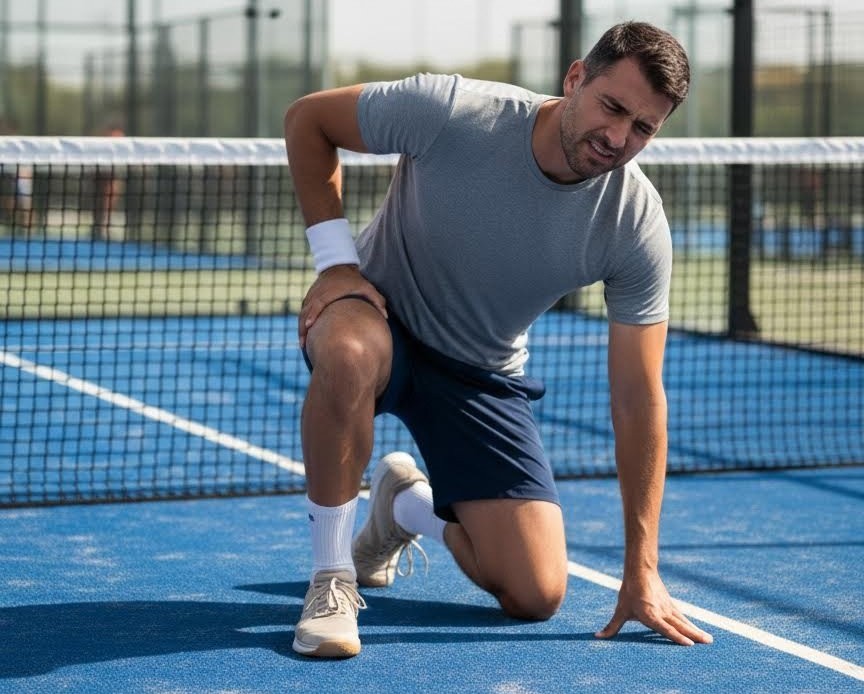
One of the biggest mistakes active people make is thinking that “no pain” means full recovery. In reality, many injuries improve symptom-wise before the body is actually ready for full training or sport again. This is called incomplete recovery.
You might feel strong enough to run, jump, or play again, but healing tissues can still be going through structural changes beneath the surface. Research shows that even after returning to sport, some tissue changes may remain for a long time after injury.
What Is Incomplete Recovery?
Incomplete recovery happens when symptoms improve faster than the body’s actual healing process. Pain decreases, movement feels easier, and confidence comes back, but strength, tissue capacity, coordination, and sport readiness may still be limited.
This is why many athletes feel “almost normal” before suddenly getting injured again.
Studies on muscle strain injuries found reinjury rates ranging from 0% to 70%, especially when return to sport happens too quickly or rehabilitation is incomplete.
Why Returning Too Early Increases Reinjury Risk
Sport places high stress on the body. Sprinting, cutting, jumping, and sudden direction changes demand more than just pain-free movement.
If recovery focuses only on reducing pain and not rebuilding strength and control, the injured area may not tolerate those demands yet. Research suggests that individualized rehabilitation, core stability work, and progressive resistance training can help lower reinjury risk.
A quick return may feel satisfying in the short term, but it can delay full recovery even longer if reinjury happens.
Recovery Is More Than Feeling Better
A successful recovery is not just about pain disappearing. It is about preparing the body to handle the demands of exercise and sport again with confidence.
Taking recovery seriously now may help you stay active longer and avoid repeating the same injury cycle.
Ready to recover properly and return stronger? Amare Physio can help guide your rehab safely so you can move with confidence again.
References:
https://pmc.ncbi.nlm.nih.gov/articles/PMC9569141
https://onlinelibrary.wiley.com/doi/full/10.1155/2024/2336376