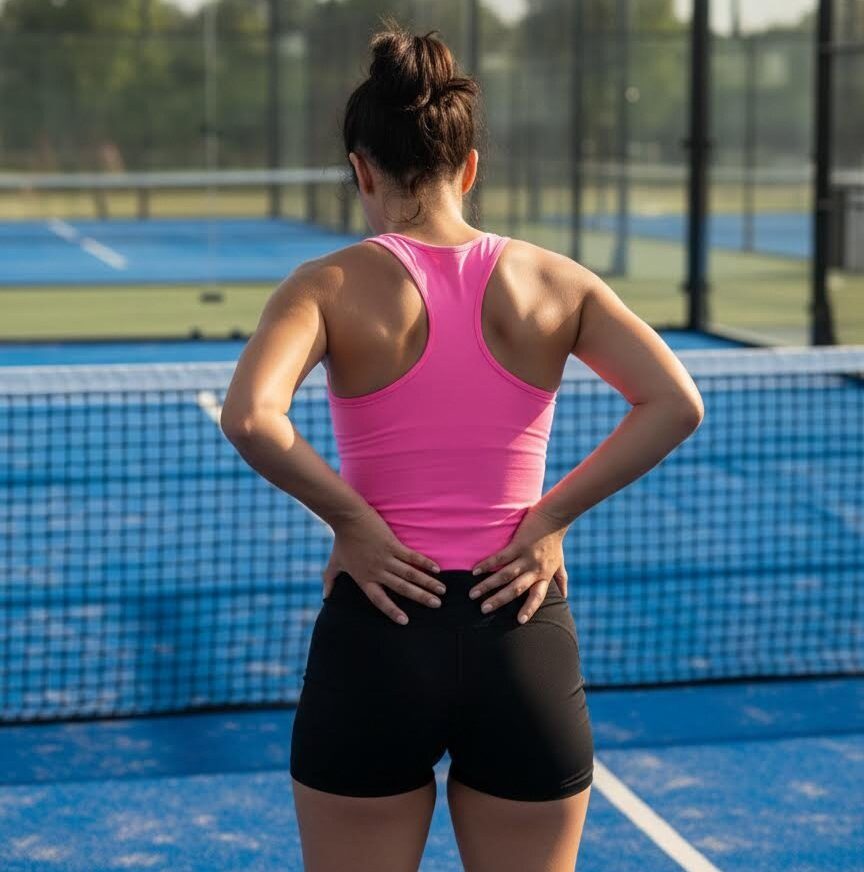
Have you ever noticed that soreness seems to last longer than it used to? Aging affects many of the body’s recovery processes, making it harder to bounce back after exercise, training, or injury. While staying active remains important, understanding these changes can help you recover more effectively and continue doing the activities you enjoy.
Why Recovery Slows Down With Aging
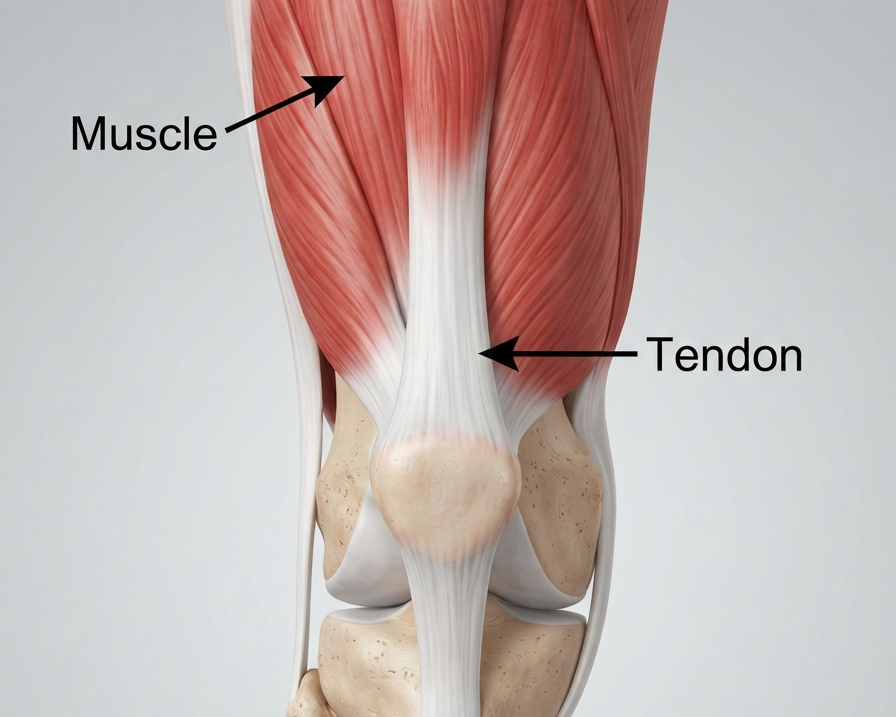
As we age, the body’s ability to repair and regenerate tissues gradually declines. Research suggests that changes in muscle cells, inflammation, and cellular repair mechanisms can reduce the efficiency of recovery. This means muscles may take longer to rebuild after exercise, and the body may need more time to adapt to training loads.
Muscle Recovery Is Not the Only Challenge
Aging does not only affect muscles. Recovery also involves the nervous system, connective tissues, and overall energy availability. These systems work together to support movement and performance. When recovery becomes less efficient, fatigue may linger longer and training tolerance may decrease.
What You Can Do to Recover Better
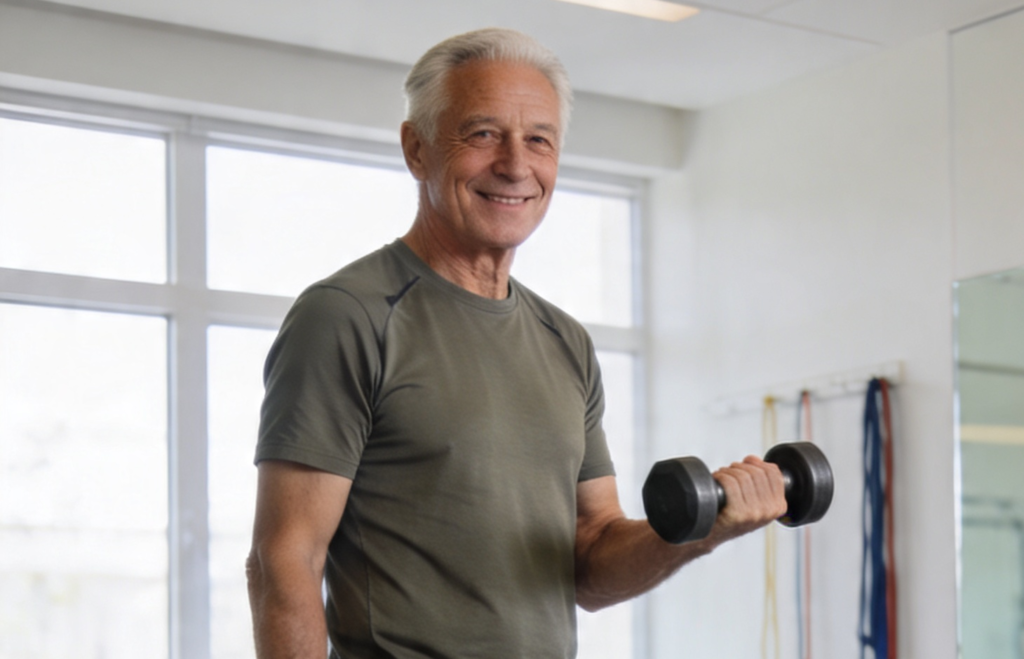
The good news is that aging does not mean you need to stop exercising. Consistent physical activity remains one of the best ways to support healthy recovery. Gradually progressing exercise intensity, allowing adequate rest, and maintaining regular movement can help your body adapt more effectively. Recovery is often improved when training is balanced with sufficient time to repair and rebuild.
Stay Active for the Long Run
The goal is not to avoid activity but to train smarter. Listening to your body, respecting recovery time, and maintaining a consistent routine can help you continue performing well as you age. Small adjustments often make a big difference over time.
Recovery Is Part of Performance
Aging may change how quickly your body recovers, but it does not mean performance has to stop. Understanding these changes can help you stay active, reduce setbacks, and enjoy exercise for years to come. If recovery is limiting your ability to train or stay active, Amare Physio can help you find the right balance between movement, recovery, and long term performance.
References: