Overtraining Can Hold You Back
Many athletes believe that more training leads to better results. While consistency is important, there is a point where extra training stops helping and starts causing problems. Overtraining occurs when training demands exceed the body’s ability to recover. Instead of improving performance, it can lead to fatigue, reduced progress, and a higher risk of injury.
What Happens During Overtraining?
Training creates stress on the body. Recovery allows the body to adapt and become stronger. When recovery is insufficient, fatigue begins to accumulate. Research suggests that prolonged periods of excessive training and inadequate recovery can negatively affect physical performance and overall well-being.
Common signs may include persistent tiredness, reduced motivation, slower recovery, and declining performance despite continued effort.
Why Recovery Is Part of Training
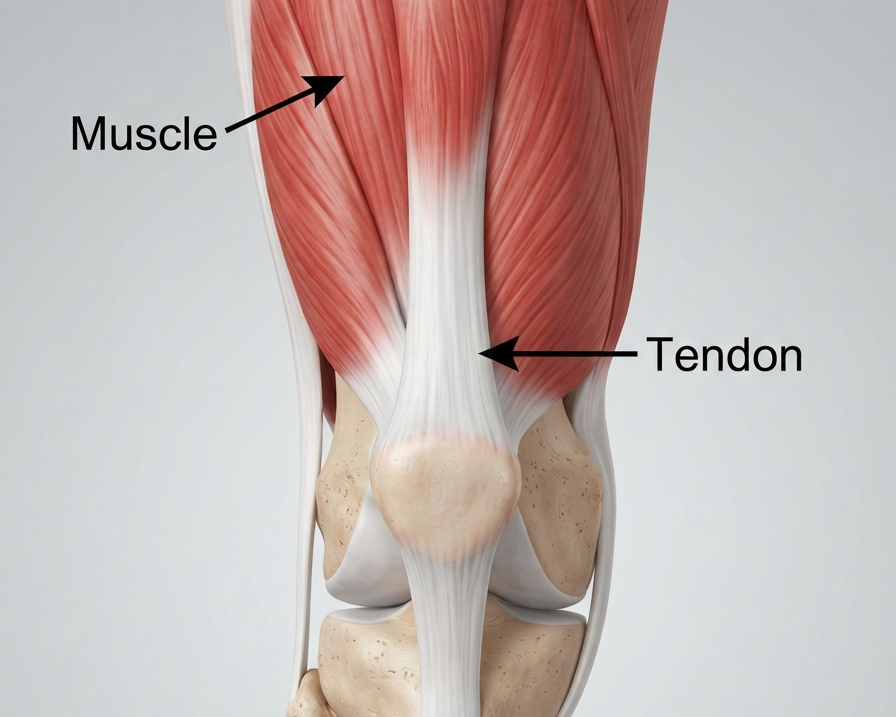
Many people view recovery as time away from training, but it is actually a critical part of improvement. The body adapts during recovery, not during the workout itself. Without enough recovery, muscles, connective tissues, and other systems may struggle to keep up with training demands.
This is why successful training programs balance workload with appropriate recovery periods rather than continuously increasing intensity.
The Importance of Load Management
Load management refers to balancing training volume and intensity over time. Gradual progression allows the body to adapt safely while reducing unnecessary stress. Sudden spikes in training load can increase the likelihood of injury and reduce performance gains.
Monitoring how your body responds to training can help identify when adjustments are needed before problems develop.
Train Smarter for Better Results
The goal of training is not simply to do more. It is to improve performance while staying healthy enough to continue training consistently. Athletes who manage their workload effectively often perform better over the long term than those who constantly push through fatigue.
If you are struggling with recurring soreness, fatigue, or training setbacks, Amare Physio can help assess your training load and recovery strategy so you can continue progressing with confidence.
References:
https://www.mdpi.com/2077-0383/14/13/4712
https://my.clevelandclinic.org/health/diseases/overtraining-syndrome