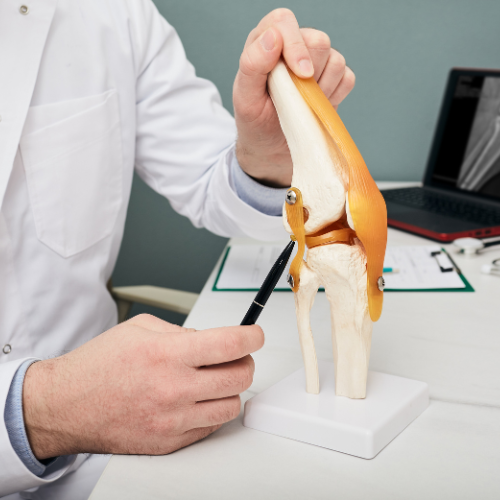
Playing through pain is often seen as a sign of toughness in sport. As a result, many athletes believe that pushing through discomfort is part of improving performance. However, not all pain is the same. Therefore, understanding pain in musculoskeletal problem helps you decide when it is safe to continue and when stopping is the smarter move.
Why Pain Feels Normal in Sport
Exercise places stress on muscles, tendons, and joints. Because of this, athletes often experience soreness, stiffness, or mild discomfort, especially after intense training or new movements. In most cases, this type of pain fades with rest, light movement, or recovery days. In fact, research explains that athletes commonly experience this discomfort as part of adaptation and conditioning.
When Pain Becomes a Warning Sign
However, harmful pain behaves differently. It may feel sharp, sudden, or progressively worse during activity. For example, pain that changes how you move, limits strength, or continues even after rest should not be ignored. According to research, athletes who play while injured often continue despite clear warning signs. As a result, this behavior can increase the risk of more serious damage and longer recovery time.
The Mental Pressure to Keep Playing
In addition to physical factors, psychological pressure can strongly influence decisions to play through pain. For instance, fear of losing position, letting teammates down, or appearing weak can push athletes to ignore symptoms. Furthermore, research highlights that pain tolerance and strong motivation may mask injury severity. Because of this, athletes may struggle to recognize when pain signals a real musculoskeletal problem.
How to Make Smarter Decisions
Instead of ignoring pain, a helpful strategy is to monitor how it behaves during activity. For example, if discomfort warms up, stays mild, and does not affect performance, it may be safe to continue with caution. On the other hand, if pain worsens, alters movement, or persists after activity, stopping and seeking assessment is the safer choice. Ultimately, early recognition helps reduce the risk of long term injury and repeated setbacks.
Key Takeaway
Overall, play through pain is not always brave or beneficial. Instead, learning to read pain signals helps protect your body and supports long term performance. Therefore, knowing the difference between normal discomfort and pain in musculoskeletal problem allows you to train smarter and stay active longer. If you are unsure, the team at Amare Physio can help assess your condition and guide you toward safe recovery.
References: