Have you noticed that movements that once felt effortless now require a few extra seconds to warm up?
Age-related stiffness is a common experience, but it does not mean your body is suddenly broken. As we get older, several tissues gradually change, and those changes can make movement feel less smooth.
What Happens to Your Muscles?
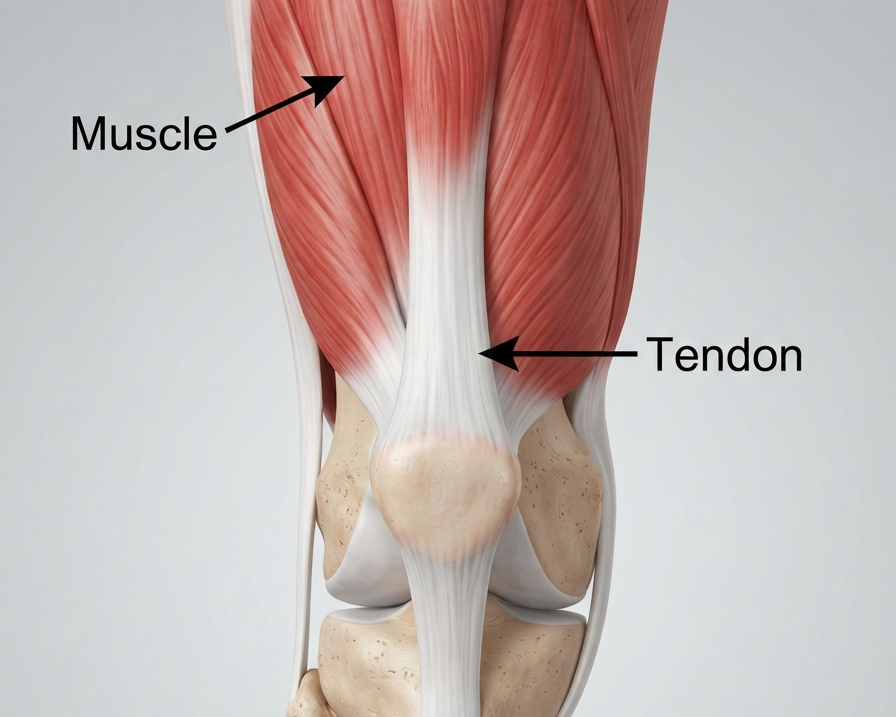
Muscles naturally lose some elasticity and strength with age. This means they may not lengthen and contract as easily as they did in your twenties. Reduced muscle activity can also contribute to feeling stiff, especially after sitting for long periods or waking up in the morning.
Tendons Become Less Elastic
Tendons connect muscles to bones, and they also change over time. Research suggests that aging can make tendons stiffer and less able to store and release energy efficiently. This can make movements such as running, jumping, or quickly changing direction feel less responsive than before.
Joints Need Movement
Joints rely on regular movement to stay comfortable. When we move, the joint surfaces receive nourishment through the movement of fluid inside the joint. Long periods of inactivity often make stiffness feel more noticeable, which is why many people feel better after a short walk or gentle exercise.
Can We Prevent Age-Related Stiffness?
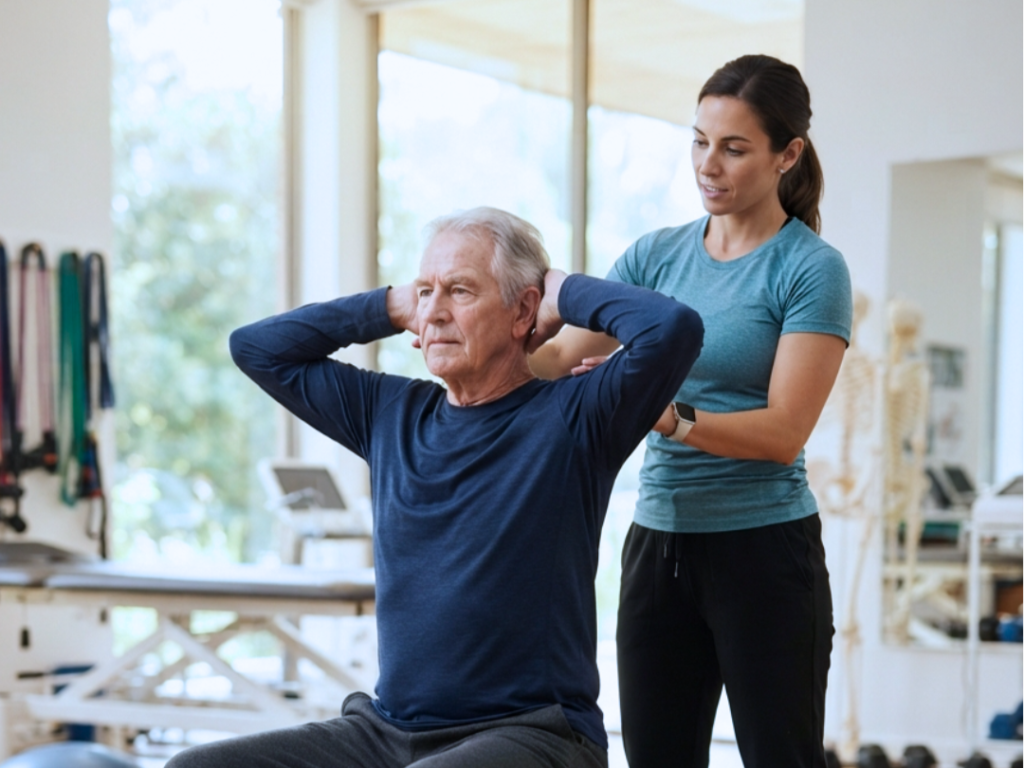
We probably cannot stop all age-related changes, but we can influence how much they affect daily life. The most helpful habits are usually the least glamorous: regular strength training, walking, stretching that feels comfortable, and staying physically active throughout the week.
Consistency matters more than extreme flexibility routines.
The Bigger Picture
The goal is not to move like a teenager forever. The goal is to keep moving well enough to do the activities you enjoy. If age-related stiffness is limiting your exercise, sport, or daily movement, Amare Physio can assess what is contributing to the stiffness and create a plan that helps you stay active with confidence.
References: