Many people think rehab ends when pain is gone. In reality, return to sport requires a structured progression. Research shows that rehabilitation is a continuum, not a single phase. Early stages focus on reducing pain and restoring basic movement, but stopping here increases the risk of re-injury.
Build the Foundation First
The first phase of rehab focuses on pain management, mobility, and gentle activation. This includes restoring joint range, reducing inflammation, and reintroducing basic movement patterns. According to the research, this stage prepares the body for more demanding loads later. Skipping this step often leads to compensation and poor mechanics.
Strength and Control Come Next
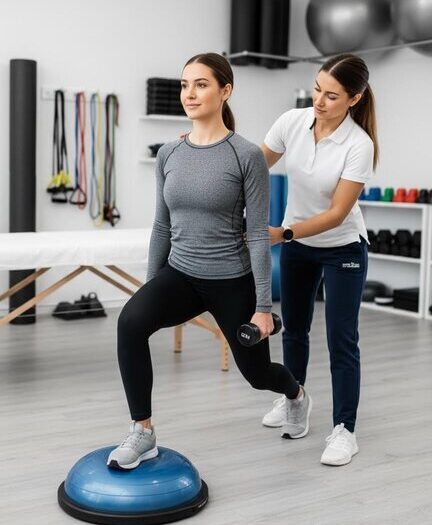
Once pain is under control, the focus shifts to strength, stability, and neuromuscular control. This is where many people rush, but it is one of the most important phases for return to sport. Exercises become more specific, targeting muscle imbalances and improving coordination. The goal is to rebuild confidence in movement, not just muscle strength.
Progress to Sport-Specific Training
Return to sport requires movements that mimic actual performance. This includes agility drills, directional changes, and reactive exercises. Research highlights the importance of gradually increasing intensity and complexity. The body needs to adapt to real sport demands, not just controlled exercises.
Return to Sport Is a Decision, Not a Timeline
One key takeaway is that return to sport should be criteria-based, not time-based. Athletes should meet specific physical and functional benchmarks before returning. These include strength symmetry, movement quality, and confidence during sport-specific tasks.
The Real Goal: Performance, Not Just Recovery
Rehab should not only aim to eliminate pain but also improve performance. A well-structured program reduces injury risk and enhances long-term outcomes. Return to sport is not the end of rehab. It is the result of doing each stage properly. At Amarephysio, the focus is not just helping you feel better, but making sure your body is ready to move, perform, and stay active with confidence.
References: