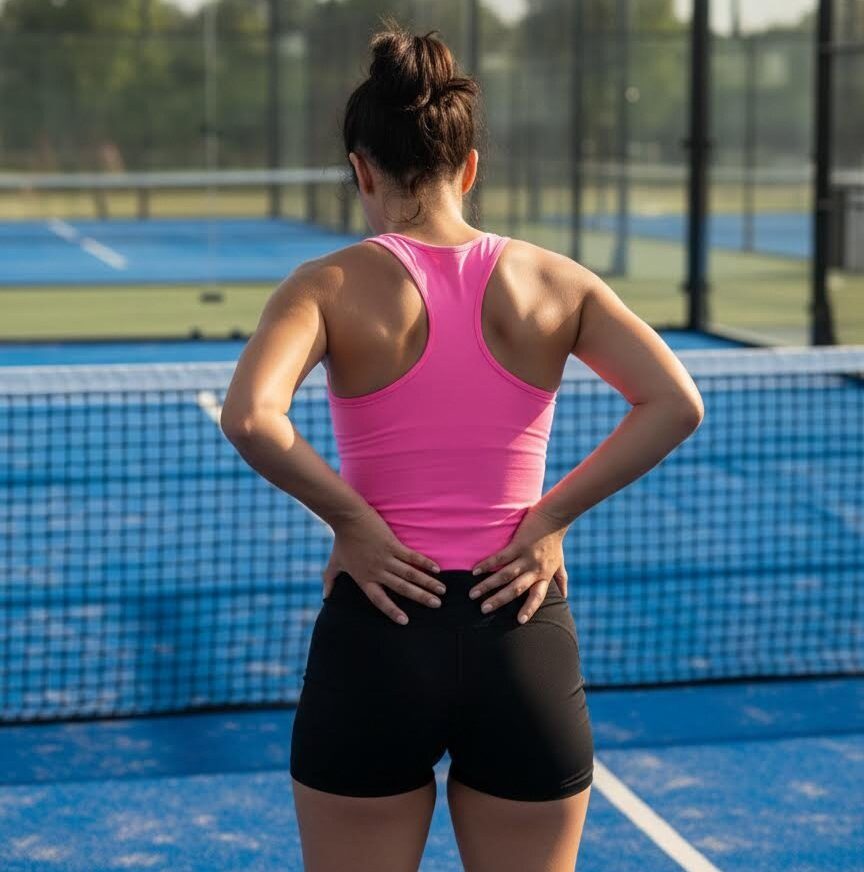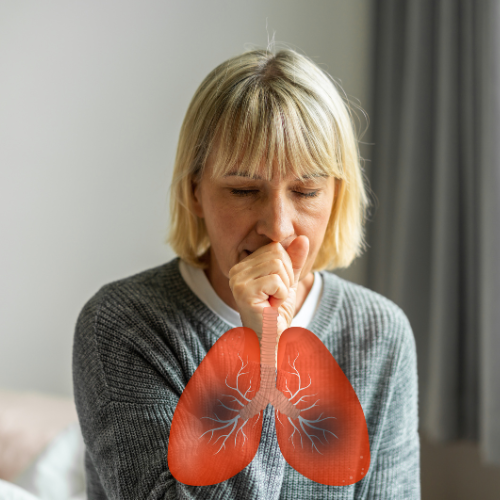
It is a common belief that once pain is gone, you are fully healed. In reality, sport recovery is more complex. Research shows that pain often improves earlier than full physical readiness. This means you can feel fine but still not be prepared for the demands of your sport.
Why Pain Disappears First
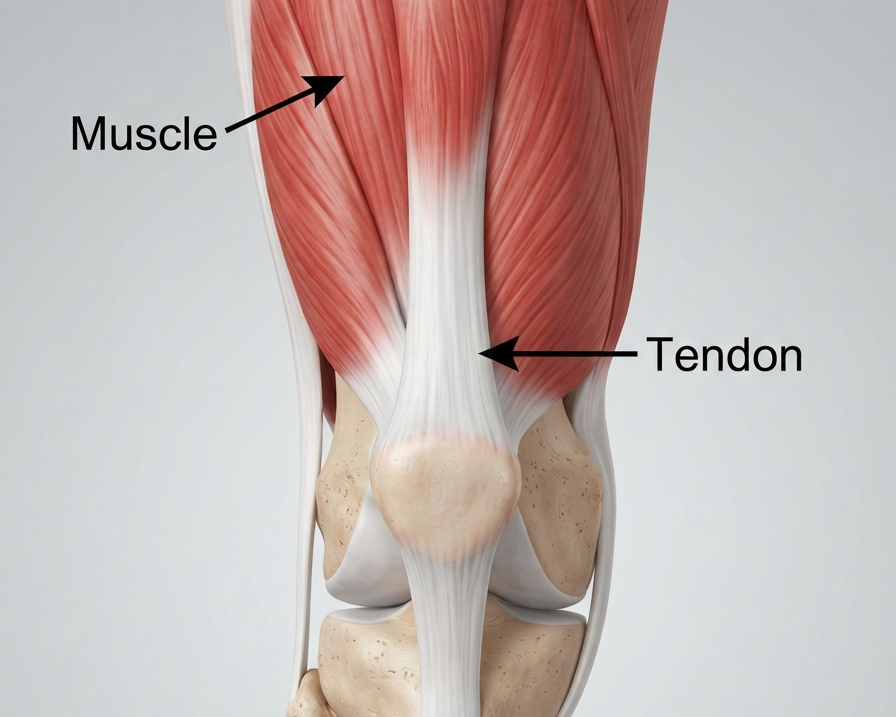
Pain is only one part of the recovery process. It is influenced by inflammation and the nervous system. As these improve, pain fades. But strength, stability, and coordination take more time to rebuild. This gap is where many athletes run into problems. Without addressing these areas properly, returning too soon can increase the risk of re-injury and limit long term performance.
What Sport Recovery Actually Requires
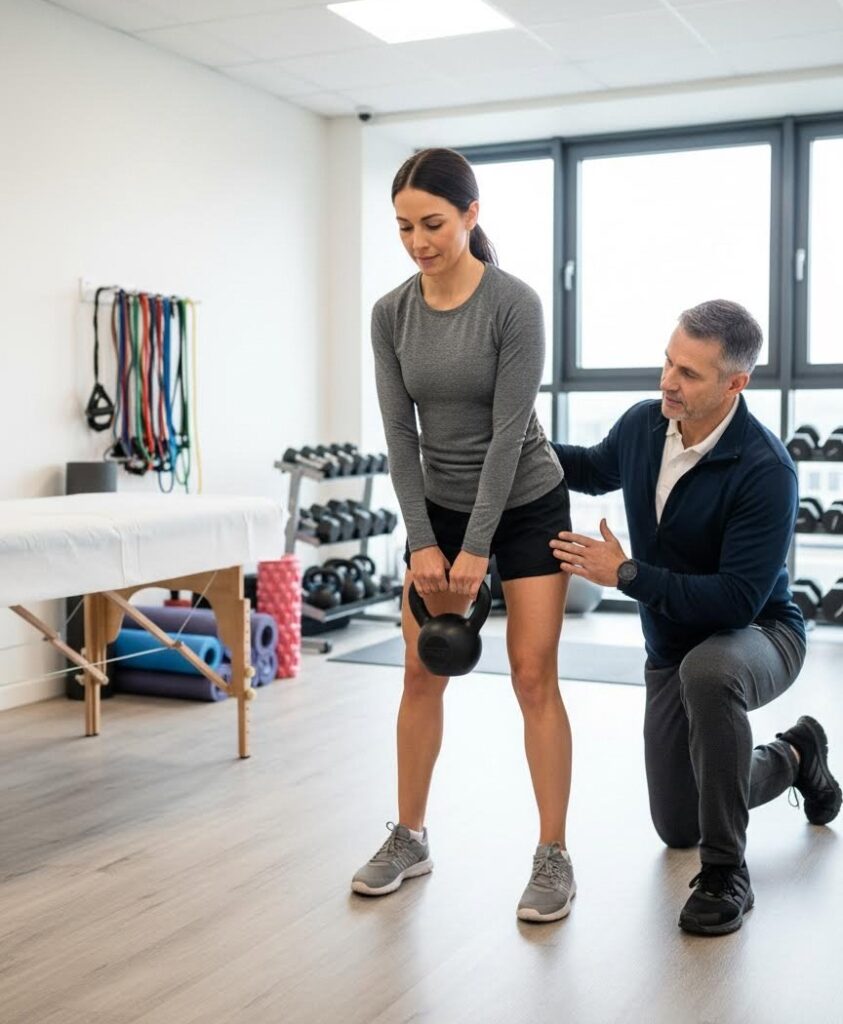
Proper sport recovery goes beyond symptom relief. Strength should return close to pre-injury levels. Movement needs to be controlled and efficient. You also need to handle sport specific tasks like sprinting, jumping, and changing direction. These elements are key before returning safely.
The Risk of Returning Too Early
Going back to training just because you feel no pain increases the risk of re-injury. Research highlights that early return without proper preparation can lead to repeated injuries and longer recovery time. Patience matters here.
Focus on Readiness, Not Just Symptoms
Sport recovery should be based on objective readiness, not just how you feel. This includes strength, functional performance, and confidence in movement. Pain free is only one checkpoint, not the finish line. Without proper testing and progression, it is easy to miss underlying deficits that increase injury risk. Taking the time to assess and rebuild these areas helps ensure a safer and more sustainable return to sport.
Recovery Means Performance Ready
The goal of sport recovery is not just to remove pain. It is to prepare your body for performance again. True recovery means you are ready to handle the physical demands of your sport with confidence. If you want to make sure you are truly ready and not just pain free, Amarephysio can help guide your recovery with a structured and sport specific approach.
References:
https://pmc.ncbi.nlm.nih.gov/articles/PMC7735686
https://www.sralab.org/articles/blog/returning-sports-right-time-why-patience-planning-matter