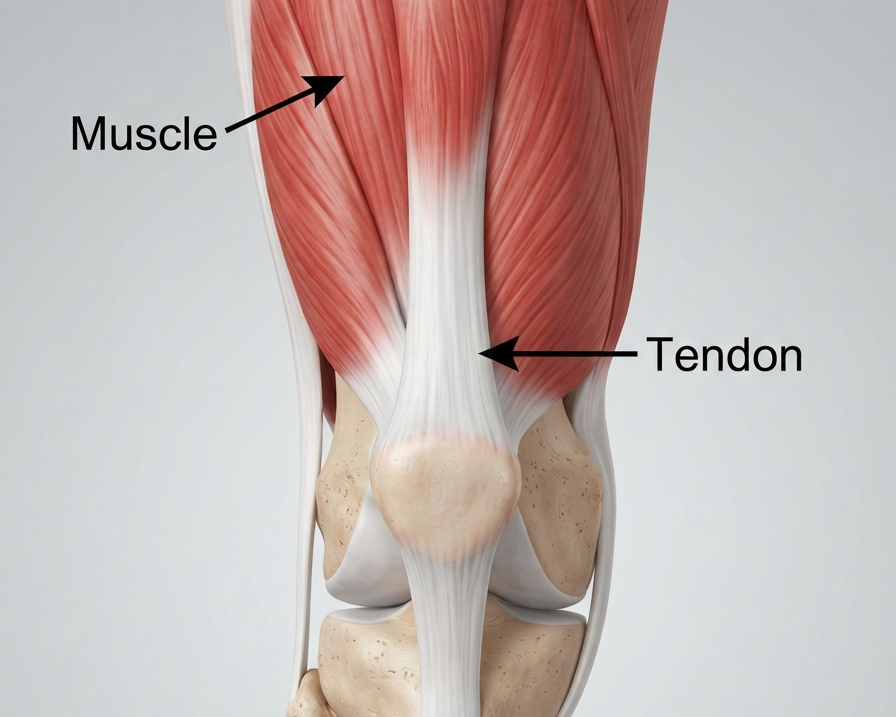
Ever finished a workout and felt like one muscle just wouldn’t loosen up? Most people assume that feeling means they have tight muscles, so they spend more time stretching. While stretching can be helpful, it is not always the solution. Sometimes the real issue is that the muscle is working harder than it should because it is not strong enough.
What Does “Tight” Really Mean?
A muscle can feel tight for different reasons. Sometimes it has reduced flexibility. Other times, it tightens because it is working too hard, feeling fatigued, or protecting an area that does not feel stable. That tight feeling does not always mean stretching is the answer.
Understanding the cause is more important than treating the feeling.
When Weakness Feels Like Tightness
A weak muscle often has to work harder to keep you moving. Over time, that extra effort can create a feeling of stiffness or tension, even though the muscle is not actually short. If you only stretch it, the temporary relief may disappear because the muscle still lacks the strength to handle your activity.
This is why strength and flexibility often need to be trained together.
Stretching Has Its Place
Stretching can improve flexibility and help you feel less stiff, especially if a muscle has genuinely become less flexible. However, if weakness is contributing to the problem, adding strengthening exercises may provide longer-lasting improvements than stretching alone.
What Should You Do?
If the same muscle always feels tight after training, ask yourself whether it also feels tired, struggles during exercise, or becomes sore more quickly than other muscles.
These clues may suggest that your body needs more than another stretching routine.
If tight muscles keep limiting your training or the same area always feels stiff despite regular stretching, Amare Physio can assess what is driving the problem and create a program that combines mobility and strength for your goals.
References:
https://nursing.ceconnection.com/ovidfiles/00006939-201909000-00005.pdf